The Rise and Fall of Iconic Auto Brands: Lessons from the Industry's Graveyard
Avishka Chandeepa
Posted 19 July 2026

Introduction
In the ever-evolving landscape of the automotive industry, some brands have fallen victim to changing consumer preferences, fierce competition, and strategic missteps. This article delves into the stories of five once-prominent auto brands that have ceased to exist, exploring the reasons behind their demise.
When we refer to dead auto brands, we're talking about car manufacturers that have either been discontinued, merged, or gone bankrupt, resulting in the termination of their brand identities. These brands were once household names, but a combination of factors led to their eventual downfall.
Throughout this piece, we'll examine the unique circumstances surrounding the discontinuation of Scion, Mercury, Hummer, Pontiac, and Oldsmobile. From strategic blunders to shifting market dynamics, we'll uncover the lessons these brands leave behind for the industry. Additionally, we'll take a look at the brands that have managed to survive and thrive, as well as pay homage to the brand graveyard, where once-mighty nameplates now rest.
Scion
Scion was a brand launched by Toyota in 2003 with the aim of attracting younger buyers to the Toyota family. The brand was created as a separate marque to appeal to Generation Y consumers with its unique and edgy styling, customizable options, and a focus on affordable pricing.
However, Scion's demise can be attributed to several factors. Firstly, the brand struggled to establish a distinct identity separate from its parent company, Toyota. Despite efforts to market Scion as a unique and youthful brand, many consumers perceived it as simply a rebadged Toyota, which diminished its appeal.
Secondly, Scion faced declining sales over the years, particularly after the initial novelty wore off. The brand's lineup, consisting of boxy and quirky models like the xB and tC, failed to resonate with the changing tastes of younger buyers, who increasingly gravitated towards crossovers and SUVs.
Furthermore, Scion's models faced cannibalization from Toyota's own lineup. As Toyota introduced more affordable and stylish models like the Yaris and Corolla, the need for a separate youth-oriented brand became less compelling. This internal competition made it difficult for Scion to carve out a distinct niche and justify its existence within the Toyota family.
Ultimately, Toyota decided to pull the plug on the Scion brand in 2016, citing the challenges of differentiating the brand and the need to streamline its product lineup. The remaining Scion models were rebranded as Toyota models, effectively absorbing the brand back into its parent company.

Mercury
Mercury was an entry-level luxury brand created by Ford Motor Company in 1938. Initially positioned as a step above Ford but below Lincoln, Mercury sought to offer more upscale vehicles catering to the emerging middle-class market. In its early years, Mercury enjoyed moderate success, with models like the Mercury Eight and Monterey gaining popularity for their blend of style, performance, and affordability.
However, as the automotive landscape evolved, Mercury struggled to establish a distinct identity and differentiate itself from its parent company, Ford. The brand overlap between Mercury and Ford models became increasingly apparent, with many sharing similar platforms, engines, and design cues. This lack of clear separation from Ford made it challenging for Mercury to justify its existence and command a premium price point.
Additionally, Mercury's sales began to decline steadily in the late 20th century, as consumers gravitated toward more established luxury brands or sought value-oriented alternatives. Despite Ford's efforts to revitalize the brand with new models like the Milan and Mariner, Mercury failed to resonate with younger buyers and struggled to compete in an increasingly crowded and competitive market.
Ultimately, the combination of brand overlap, an inability to differentiate itself sufficiently, and declining sales led to Ford's decision to discontinue the Mercury brand in 2010. The last Mercury model rolled off the assembly line in January 2011, marking the end of an era for the once-promising entry-level luxury marque.
Hummer
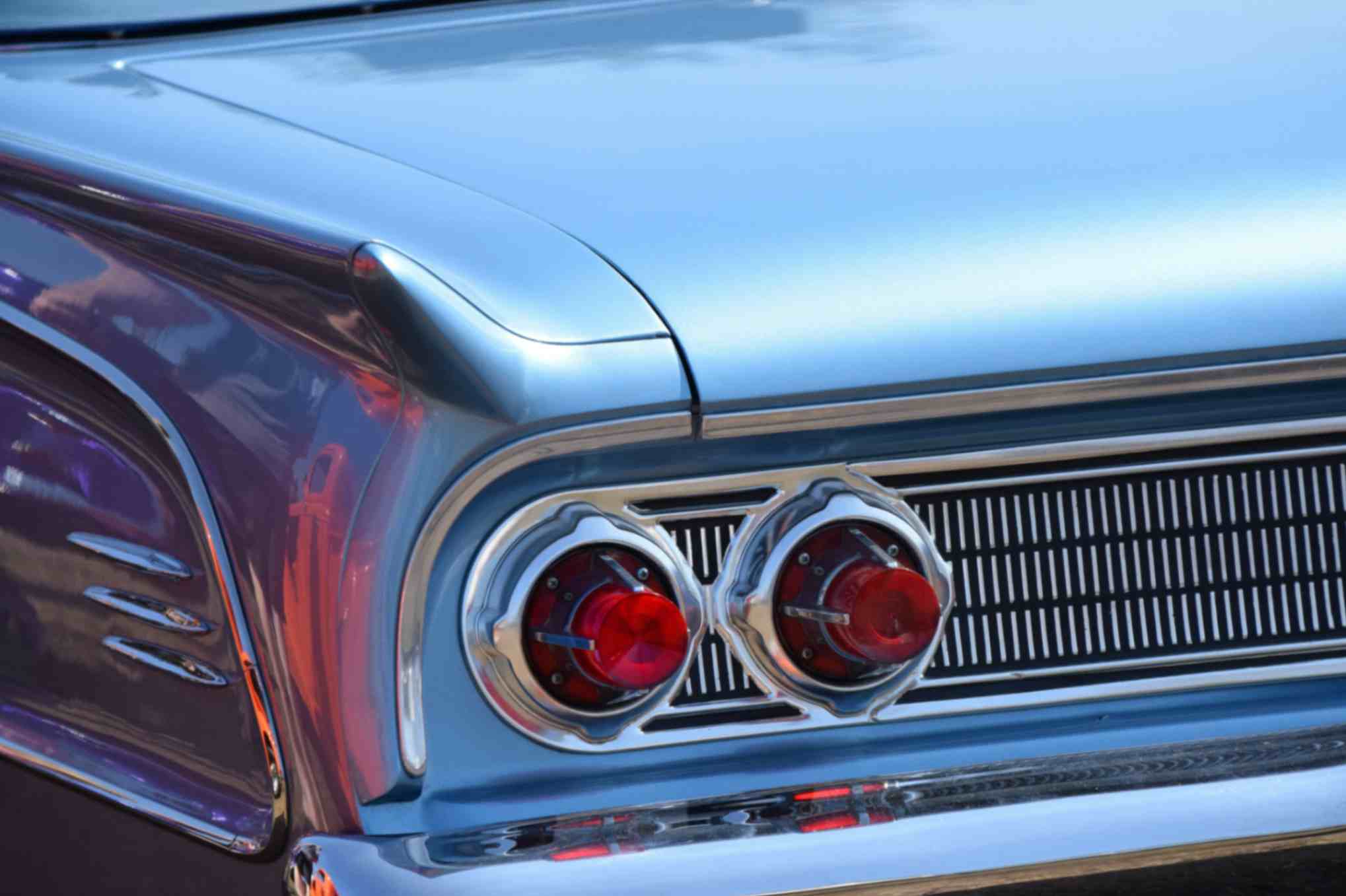
The rise and fall of Hummer is a cautionary tale of hubris, excess, and a failure to adapt to changing market conditions. Born out of the military's need for a rugged, all-terrain vehicle, the Hummer brand was launched in the civilian market in 1992, capitalizing on the public's fascination with its larger-than-life presence and off-road capabilities.
Initially, the Hummer's unapologetic size and brash styling struck a chord with consumers seeking a vehicle that exuded power and machismo. However, as gas prices soared and environmental concerns grew, the Hummer's excessive fuel consumption and emissions became a glaring liability. Despite efforts to introduce more fuel-efficient models, the brand's reputation as a gas-guzzling behemoth proved difficult to shake.
The final nail in the Hummer's coffin came with the 2008 financial crisis and the subsequent bankruptcy of its parent company, General Motors. As part of its restructuring efforts, GM made the difficult decision to discontinue the Hummer brand in 2010, citing its inability to justify the investment required to keep the brand afloat amidst mounting losses.
The demise of Hummer serves as a stark reminder of the importance of adapting to changing market conditions and consumer preferences. While its bold and audacious design captured the imagination of many, its failure to evolve and embrace more sustainable practices ultimately led to its downfall. In an era where environmental consciousness and fuel efficiency have become paramount, the Hummer's unapologetic excess proved unsustainable, marking the end of an era for a brand that once symbolized American excess and bravado.

Pontiac
Pontiac, a brand with a storied history dating back to 1926, met its unfortunate demise in 2010 due to a combination of factors, including a brand identity crisis and General Motors' restructuring efforts after emerging from bankruptcy.
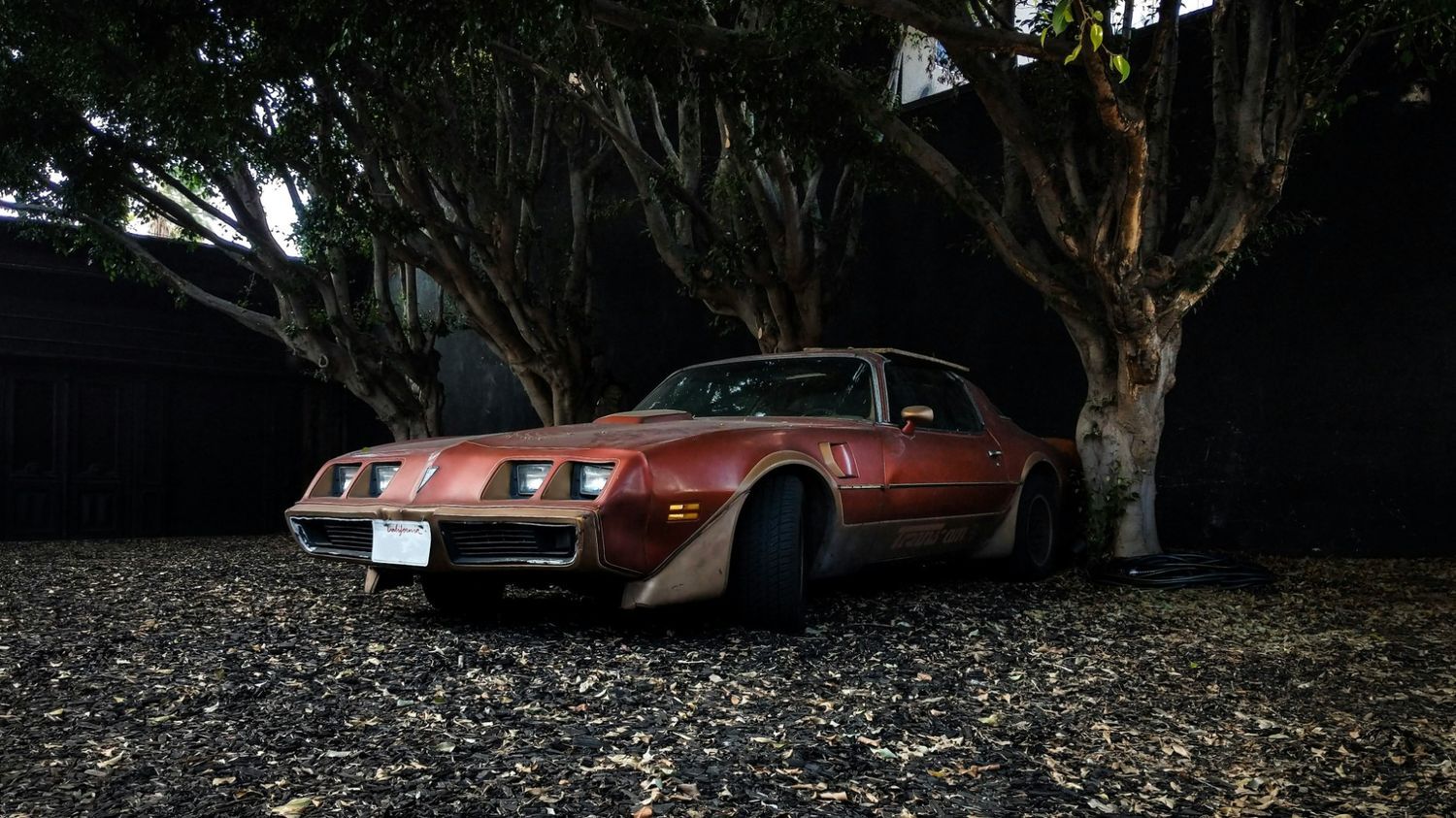
Pontiac was initially founded as a companion brand to Oakland, offering affordable yet stylish vehicles for the mass market. Over the decades, Pontiac developed a reputation for producing performance-oriented cars that appealed to younger buyers. Models like the GTO, Firebird, and Trans Am became iconic muscle cars, cementing Pontiac's image as GM's excitement brand.
However, as the automotive landscape evolved, Pontiac struggled to maintain a clear brand identity. In the 1980s and 1990s, the brand attempted to position itself as a more luxurious alternative to Chevrolet, but this strategy failed to resonate with consumers. Pontiac's product lineup became muddled, with vehicles that lacked distinctive styling or performance characteristics.
When General Motors filed for bankruptcy in 2009, the company was forced to undergo a massive restructuring to streamline its operations and focus on its core brands. Pontiac, which had been struggling with declining sales and a lack of brand clarity, was ultimately sacrificed as part of this restructuring effort.
The decision to discontinue Pontiac was not an easy one, as the brand had a rich heritage and a dedicated fan base. However, GM recognized that maintaining multiple overlapping brands was no longer sustainable, and Pontiac's lack of a clear identity made it an expendable asset.
As Pontiac's production came to an end in 2010, it marked the end of an era for a brand that had once been synonymous with American muscle and performance. While its demise was a disappointment for enthusiasts, it served as a cautionary tale about the importance of maintaining a distinct brand identity and adapting to changing market conditions.
Oldsmobile: A Venerable Brand Fading into Obscurity
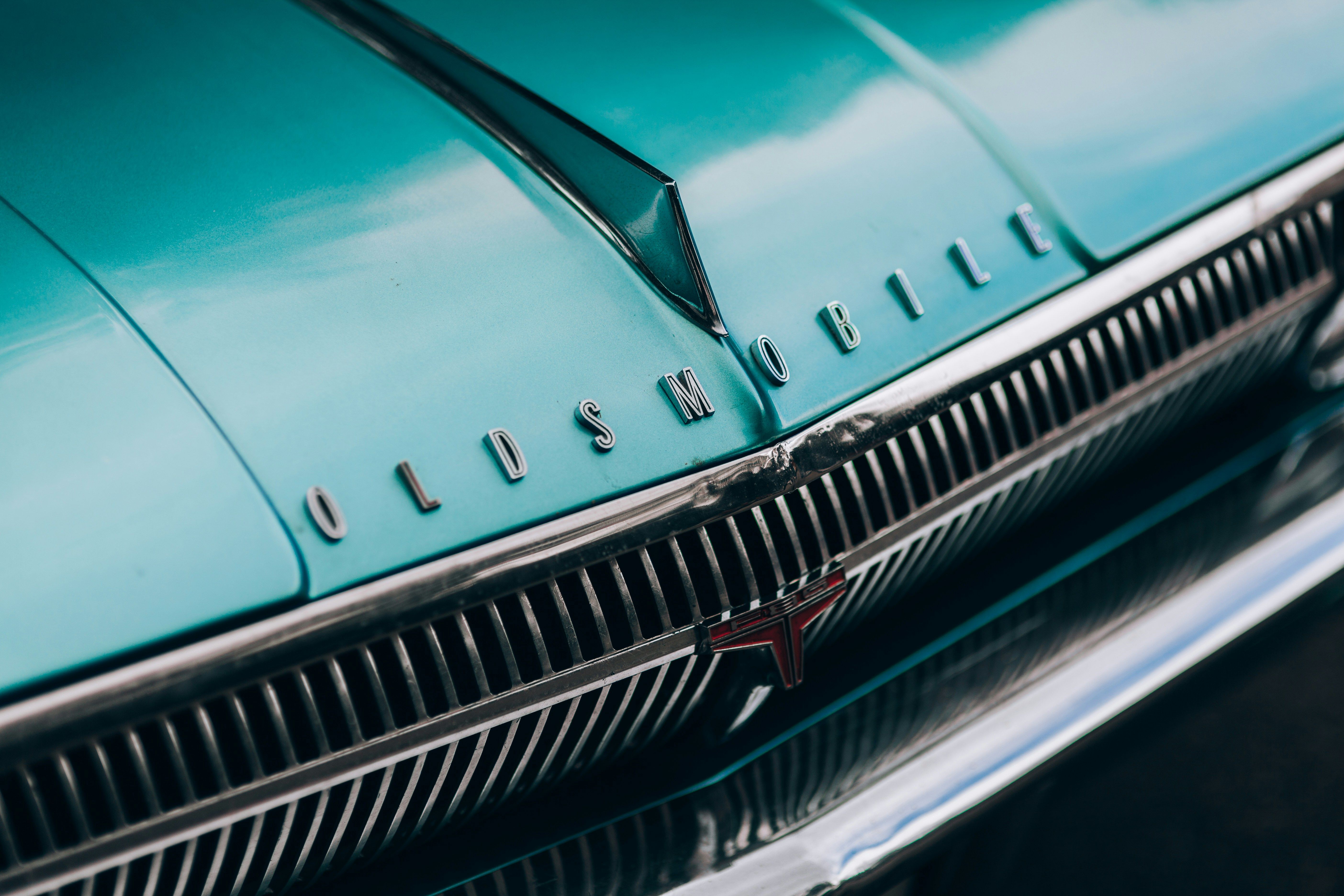
Oldsmobile, a name that once commanded respect and admiration in the automotive world, fell victim to a slow and steady decline over several decades. Established in 1897, the brand enjoyed a rich heritage and a reputation for innovation, introducing features like the automatic transmission and high-compression V8 engines. However, as the years passed, Oldsmobile struggled to adapt to changing consumer preferences and failed to captivate younger buyers.
In the latter half of the 20th century, Oldsmobile's identity became muddled, caught between the sporty appeal of Pontiac and the luxury positioning of Buick within General Motors' brand portfolio. This lack of clear direction and differentiation made it challenging for the brand to establish a strong foothold in the market.
Moreover, as GM prioritized its more successful and profitable brands like Chevrolet and Cadillac, resources and attention were diverted away from Oldsmobile. This neglect manifested in uninspired product offerings and a failure to keep up with the rapidly evolving tastes and demands of younger consumers.
Despite efforts to revive the brand with models like the Aurora and the Intrigue, Oldsmobile struggled to regain its former glory. By the early 2000s, declining sales and diminishing brand equity led GM to make the difficult decision to discontinue the Oldsmobile line, marking the end of an era for one of America's oldest automotive marques.
Lessons Learned
The demise of these once-prominent automotive brands offers valuable lessons for the industry and businesses in general. One key takeaway is the importance of brand differentiation and a clear identity. Many of these failed brands struggled to establish a distinct position in the market, often overlapping with their parent company's offerings. In today's crowded marketplace, a strong and unique brand identity is crucial for capturing consumer attention and loyalty.
Another lesson lies in the impact of economic factors and changing consumer preferences. The rise of fuel-efficient and environmentally-conscious vehicles, coupled with economic downturns, played a significant role in the decline of brands like Hummer and Pontiac, which were heavily reliant on gas-guzzling models. Businesses must remain agile and adaptable, anticipating shifts in consumer demands and market conditions.
Furthermore, the failures highlight the significance of strategic decision-making and long-term planning. Some of these brands fell victim to short-sighted strategies, such as neglecting product development or failing to invest in innovation. Successful companies must have a clear vision and a willingness to evolve, embracing new technologies and trends to stay competitive.
Brand differentiation, adaptability, and strategic planning are crucial lessons to be learned from the demise of these automotive brands. Companies across industries must heed these warnings and continuously evaluate their position, offerings, and strategies to avoid a similar fate.
The Survivors
Over the decades, several major automotive brands have managed to withstand the test of time, adapting to changing market conditions and consumer preferences. Their longevity can be attributed to a combination of factors, including strong brand identity, continuous innovation, and a keen understanding of their target audience.
One of the most iconic survivors is Ford, which has been in operation since 1903. The company's ability to consistently deliver reliable and affordable vehicles, coupled with its embrace of new technologies and design trends, has been instrumental in its enduring success. Ford's commitment to innovation, exemplified by models like the Mustang and the F-Series trucks, has helped it maintain a loyal customer base and stay relevant in an ever-evolving industry.
Another enduring brand is Chevrolet, which has been part of General Motors since 1918. Chevrolet's wide range of vehicles, from compact cars to powerful trucks, has allowed it to cater to diverse consumer needs. The brand's focus on value, performance, and reliability has resonated with generations of drivers, contributing to its longevity.
Toyota, the Japanese automotive giant, has also proven its staying power. Since its inception in 1937, Toyota has built a reputation for quality, reliability, and innovation. The company's commitment to continuous improvement and its ability to adapt to changing market conditions have been key factors in its success. Toyota's embrace of hybrid and electric vehicle technologies has further solidified its position as a leader in the industry.
These surviving brands have demonstrated the importance of staying true to their core values while also embracing change. Their ability to anticipate and respond to shifts in consumer preferences, technological advancements, and market dynamics has been crucial in ensuring their longevity. By continuously evolving and delivering products that meet the needs of their customers, these automotive giants have secured their place in the industry for decades to come.
The Brand Graveyard
Beyond the five brands highlighted, the automotive industry has witnessed the demise of numerous other notable names over the years. Plymouth, a division of Chrysler, ceased production in 2001 after nearly eight decades on the market. The brand struggled to establish a distinct identity and found itself overshadowed by its parent company's offerings.
Another casualty was Edsel, a short-lived brand introduced by Ford in 1958. Despite massive marketing efforts, the Edsel was a commercial failure, plagued by controversial styling and poor positioning in the market. Ford pulled the plug on the brand after just two years, making it one of the most infamous flops in automotive history.
Packard, once a prestigious luxury brand, couldn't keep up with changing consumer tastes and fierce competition. After years of declining sales, the company merged with Studebaker in 1954, but the combined entity couldn't survive, and production ceased in 1958.
DeSoto, a mid-priced brand from Chrysler, met its end in 1961 after nearly three decades of existence. The brand struggled to differentiate itself from its corporate siblings and ultimately fell victim to cost-cutting measures and market shifts.
These are just a few examples of the many auto brands that have faded into the archives of history, serving as reminders of the ever-evolving nature of the automotive industry and the challenges faced by even the most established players.
Conclusion
The automotive industry is a highly competitive and ever-evolving landscape. The demise of brands like Scion, Mercury, Hummer, Pontiac, and Oldsmobile serves as a cautionary tale for automakers worldwide. These once-prominent names fell victim to a combination of factors, including changing consumer preferences, failure to innovate, poor product planning, and the inability to establish a distinct brand identity.
The lessons learned from these defunct brands underscore the importance of strong branding, adaptability, and a keen understanding of market dynamics. Automakers must stay attuned to shifting consumer demands, embrace innovation, and cultivate a unique brand identity that resonates with their target audience. Those that fail to evolve risk becoming obsolete and joining the ranks of the brand graveyard.
Ultimately, the automotive industry's survival hinges on the ability to continuously reinvent and redefine itself. Brands that can successfully navigate this ever-changing terrain by offering compelling products, fostering emotional connections with consumers, and staying ahead of the curve will thrive. Those that cling to outdated strategies and fail to adapt will inevitably fade into obscurity, serving as a cautionary tale for future generations of automakers.
Navigating Japanese Auctions: Your Gateway to Owning Iconic Auto Brands
While many iconic auto brands have faded into history, their legacy lives on through the vehicles that defined eras. Japanese auctions offer a unique opportunity to purchase these models, providing you a chance to own a piece of history. At ZervTek, we specialize in guiding you through the auction process, ensuring you find and purchase the vehicle you prefer. With our detailed auction sheet translations and comprehensive vehicle inspections, you can bid confidently, knowing you have all the information needed to purchase the vehicle.
Contact Us!
If you require assistance or have any inquiries, feel free to reach out to our dedicated customer support team. We're here to help!
You can find all the necessary links below.
Thank you for choosing ZervTek Co., Ltd. We appreciate your trust in our services and look forward to serving you with excellence and integrity.